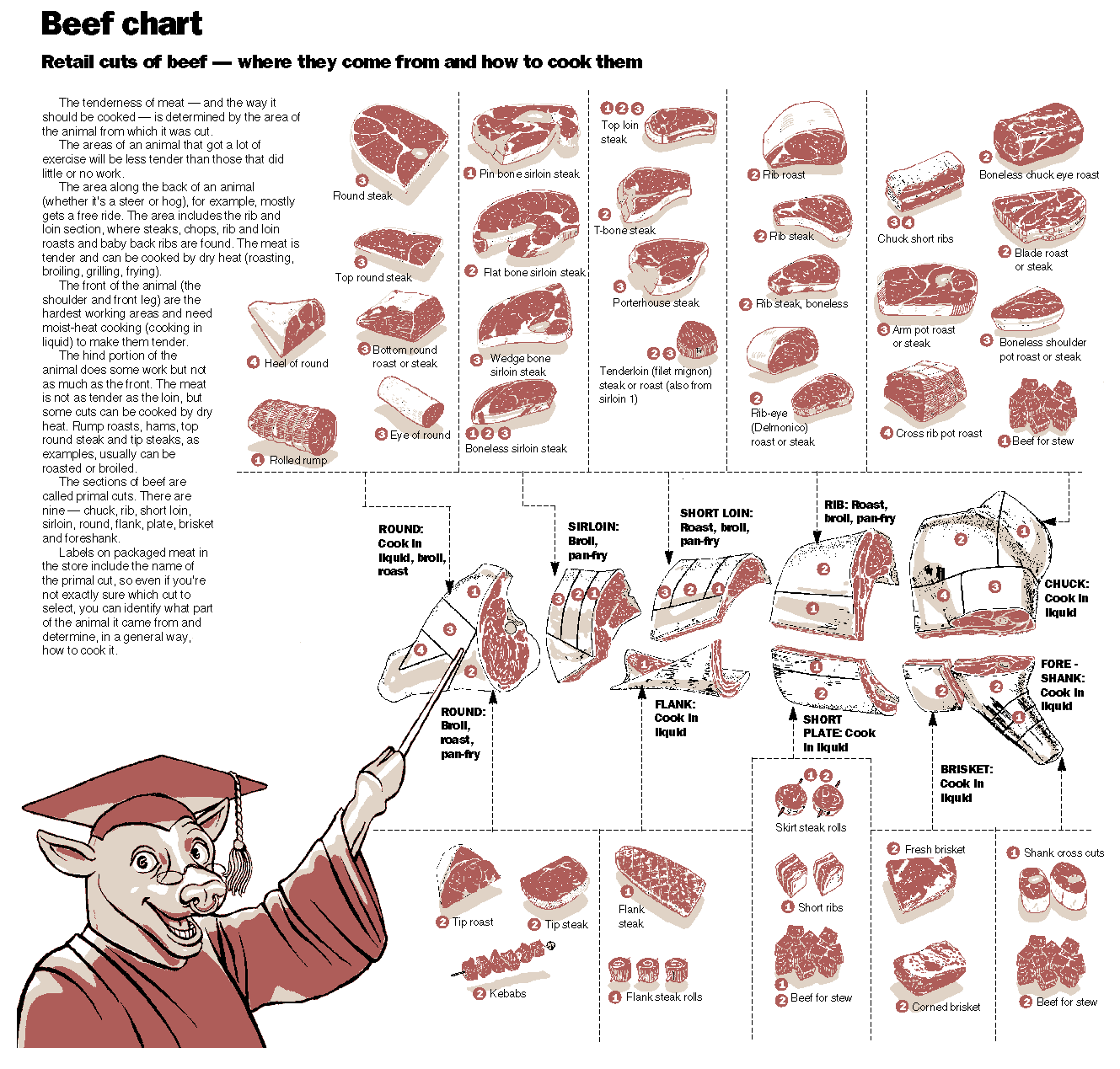
These figures are all averages. The weights vary according to cutting method and type of cattle. You can see photographs of hind and front quarters of beef and the cuts made out of them on the following page: Beef Hind Quarters
Beef Front Quarter We also have Poster Size Beef Cutting Charts available for sale. (COMPLETE) Cost Estimate of Beef by the Side"Hanging weight" is the weight of a side of beef as it hangs on the rail in a meat cooler. The locker operator purchased the side from a meat packer on a hanging weight basis and also sells it to the consumer that way. Some sides of beef are fatter than other sides of beef. Because excess fat is removed during cutting, carcass fatness will affect how much take-home meat a side of beef will yield. YIELD FROM A VERY LEAN, CHOICE 300 LB. SIDE Fat & bone (waste) 15% Usable meat cuts
225 lb. take-home meat 85% YIELD FROM AN AVERAGE, CHOICE 300 LB. SIDE Fat & bone (waste) 30% Usable meat cuts
210 lb. take-home meat 70% YIELD FROM A VERY FAT, CHOICE 300 LB. SIDE Fat & bone (waste) 45% Usable meat cuts
165 lb. take-home meat 55% The above illustrations are for USDA Choice sides and are most commonly available from Yield Grades 2, 3, and 4. The highest quality grade of Prime is most commonly available from Yield Grades 3, 4, and 5. The lower quality of Select is most commonly available from Yield Grades 1, 2, and 3. Standard, lower in quality than Good, is most commonly available from Yield Grades 1 and 2. All beef sold hanging weight will lose some of its weight in the cutting and trimming process no matter how lean the side of beef is. The amount of fat and bone that must be trimmed (cutting loss) from a side thus has an influence on the price per pound of meat that is finally wrapped and frozen for you. Ask your locker operator to explain to you how to figure the approximate price per pound of meat you will take home. Remember, this is only an approximation and will vary with how you want your beef trimmed and boned. | 












 You will need Adobe Acrobat Reader to view this file.

