Prime grade - is produced from young, well-fed beef cattle. Only 2% of the beef in the U.S. is graded Prime. It has abundant marbling and is generally sold in restaurants and hotels. Prime roasts and steaks are excellent for dry-heat cooking (i.e., roasting, broiling, and grilling). · Choice grade - is high quality, but has less marbling than Prime. Choice roasts and steaks from the loin and rib will be very tender, juicy, and flavorful and are, like Prime, suited to dry-heat cooking. Many of the less tender cuts, such as those from the rump, round, and blade chuck, can also be cooked with dry heat, but be careful not to overcook them. Using a meat
thermometer takes the guesswork out of cooking and assures a safe internal temperature: 145 ° F is medium rare; 160 ° F, medium; and 170 ° F, well done. Choice Grade is also subdivided further by Yield Grades.
Yield Grade 1 is the best.
Yield Grade 5 is the "Least" best. · Select grade - is very uniform in quality and normally leaner than the higher grades. It is fairly tender, but, because it has less marbling, it may lack some of the juiciness and flavor of the higher grades. Only the tender cuts (loin, rib, sirloin) should be cooked with dry heat. Other cuts should be marinated before cooking or cooked with moisture to obtain maximum tenderness and flavor. · Standard and Commercial grades – frequently are sold as ungraded or as "store brand" meat. · Utility, Cutter, and Canner grades - are seldom, if ever, sold at retail but are used instead to make ground beef and processed products. |




 USDA Prime [The BEST]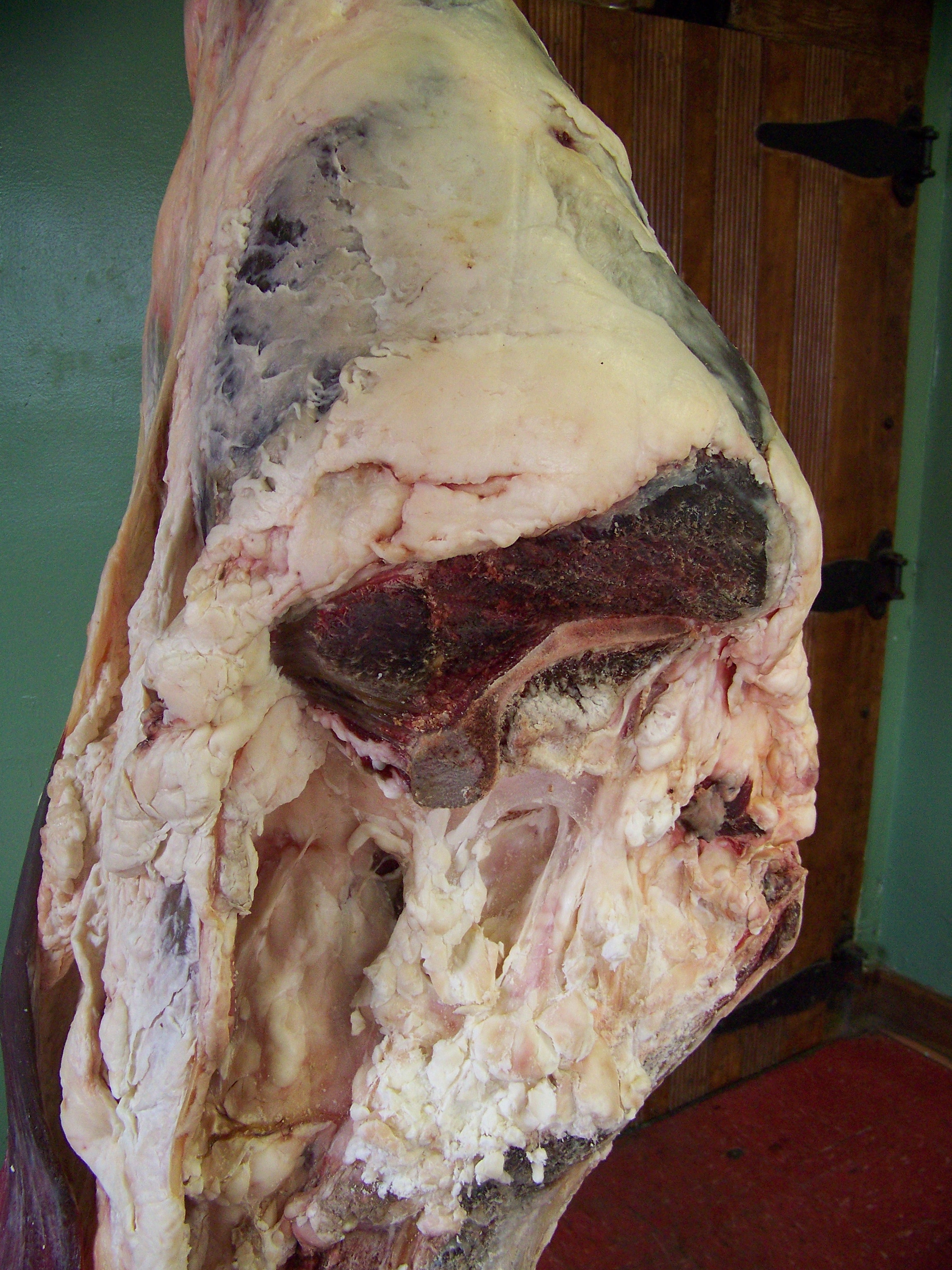
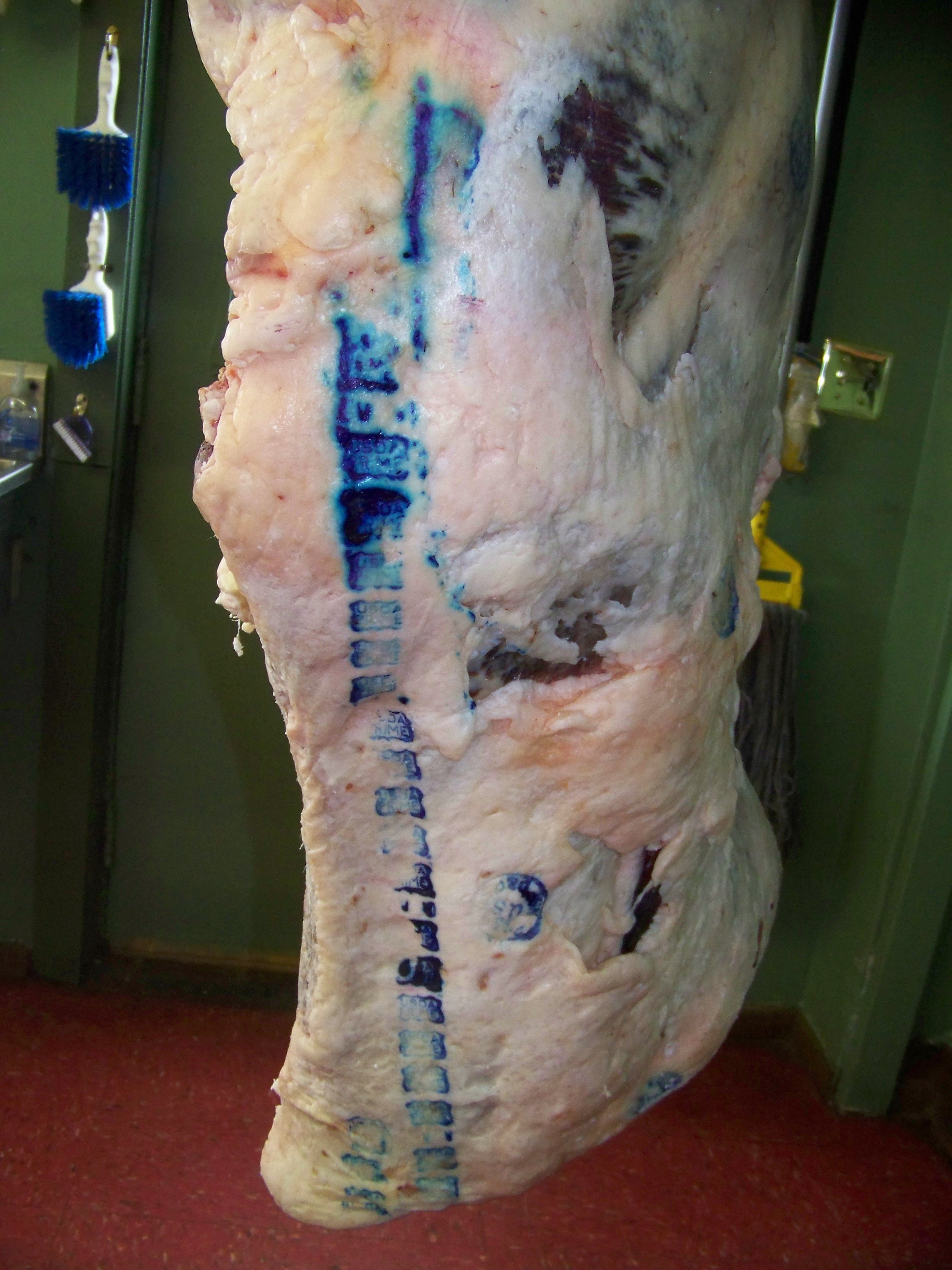
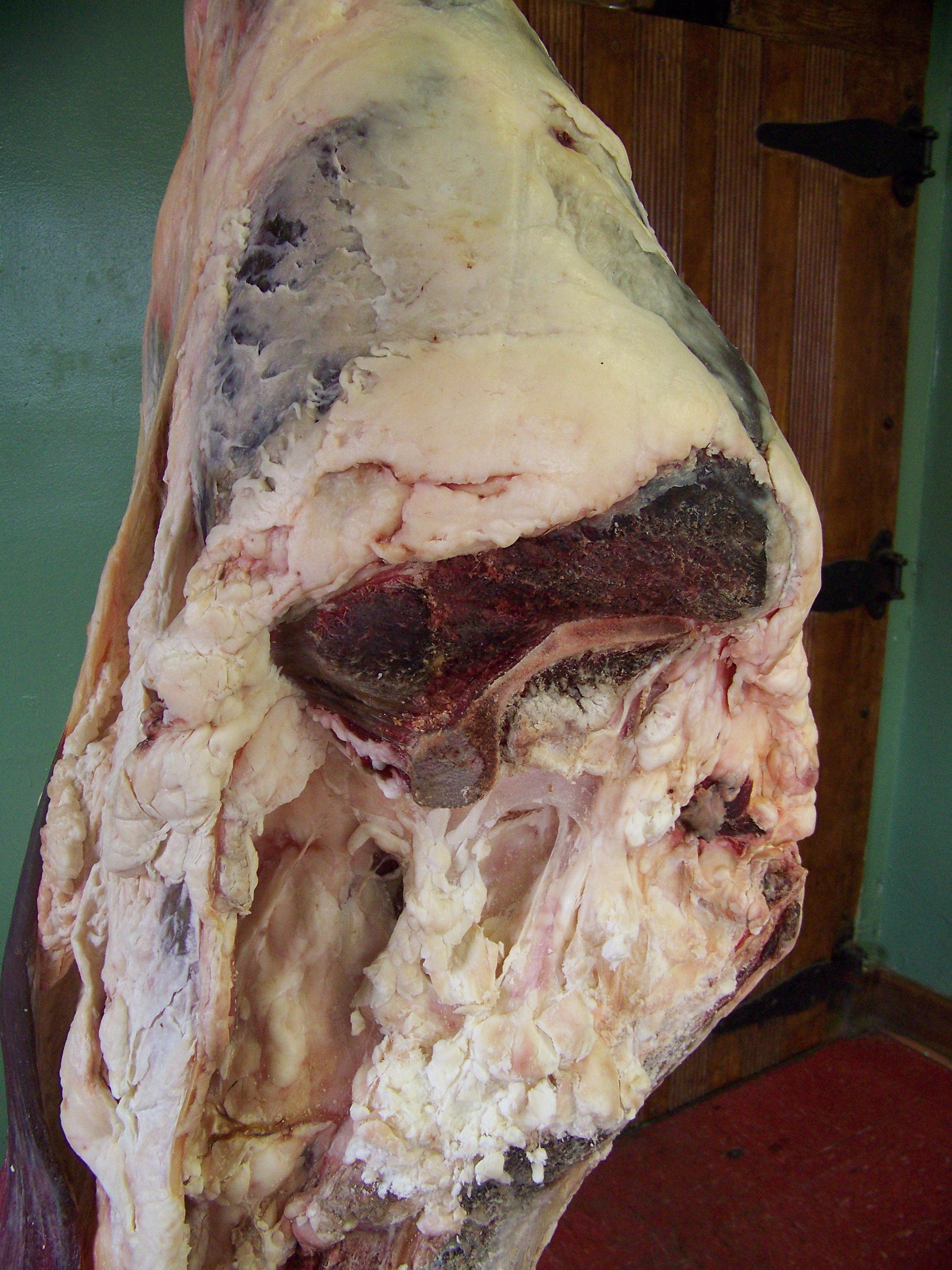
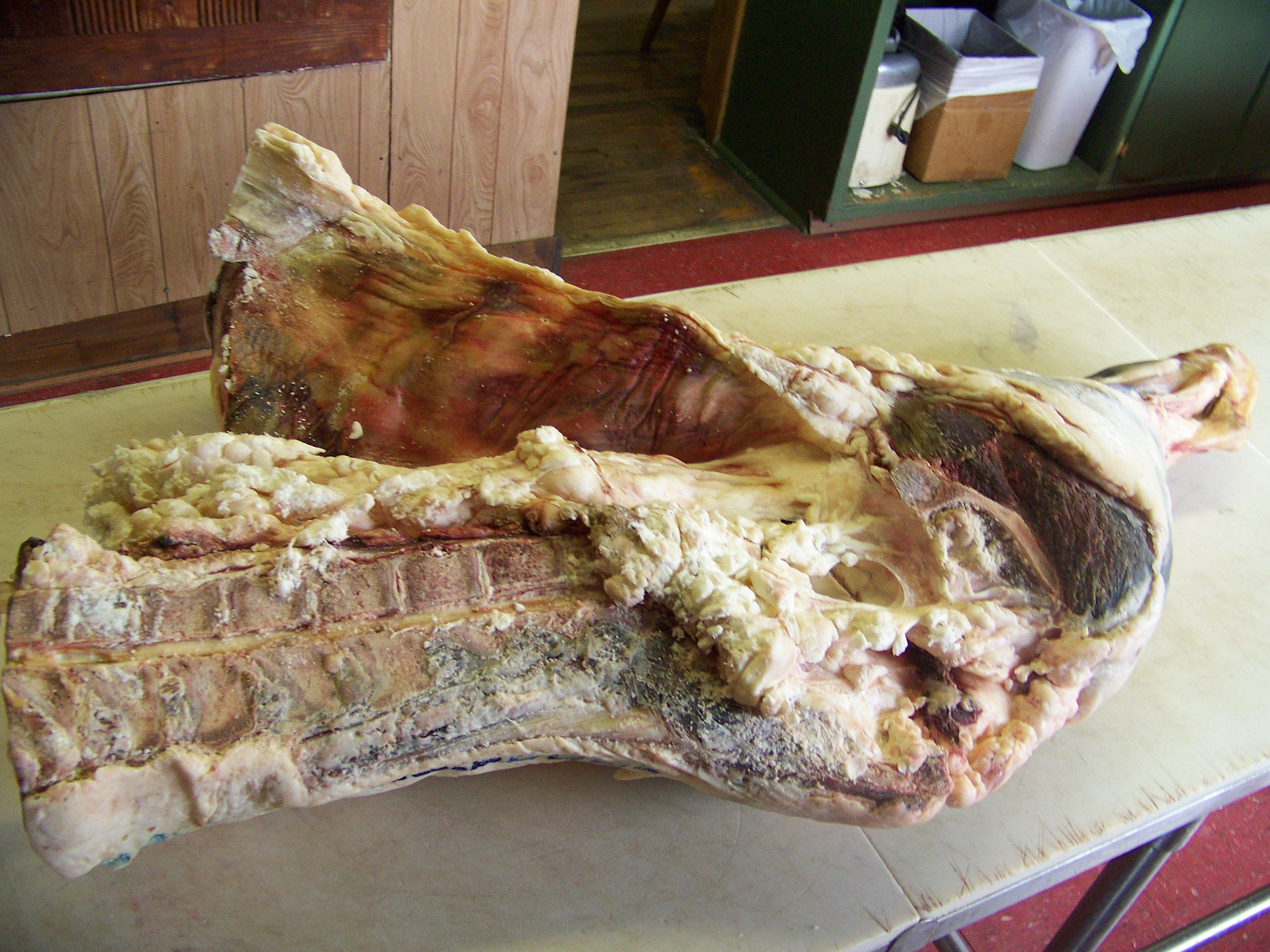
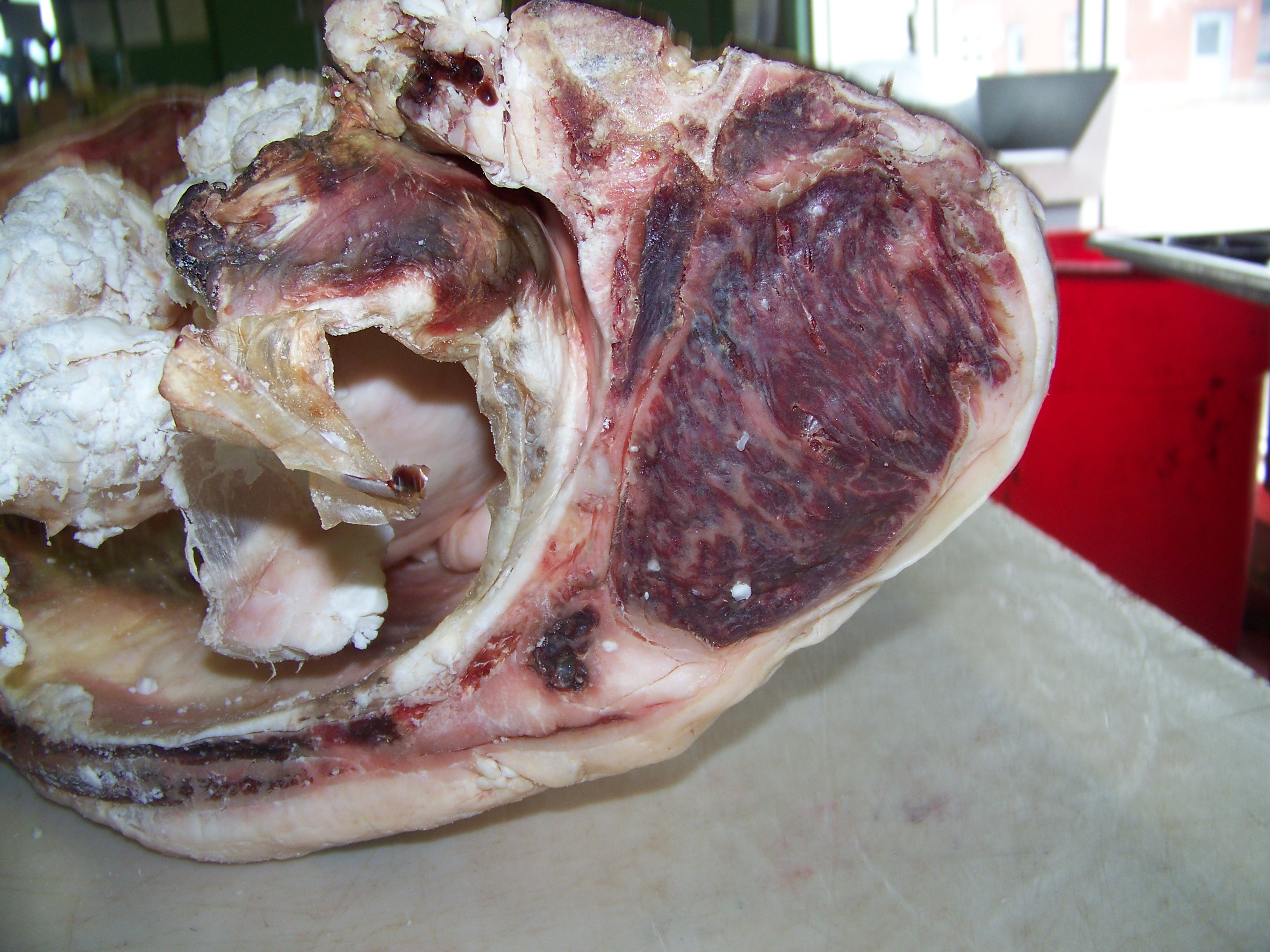
 USDA Choice
 USDA Select
 You will need Adobe Acrobat Reader to view this file.